

Computer Vision in Healthcare: Benefits & Key Applications

Computer Vision in Healthcare: Benefits, Challenges, and Use Cases
Are you interested in using new technologies such as AI and computer vision in healthcare?
Artificial intelligence (AI) and machine learning (ML) are being increasingly used across various sectors, with healthcare being one of them. Computer vision (CV) technology is another powerful tool that helps recognize, interpret, and process visual data.
Computer vision in healthcare can transform existing patient care services by interpreting medical images and assisting in diagnostics with top accuracy. The potential applications of computer vision in the medical field are numerous, ranging from medical diagnostics and patient monitoring to treatment planning and automated health record management.
In this article, we examine the advantages of utilizing computer vision applications in healthcare and discover:
- Understand computer vision in healthcare and how it works.
- Reasons why computer vision matters in healthcare.
- Ethical considerations in computer vision healthcare solutions.
- Recent advancements in computer vision for healthcare applications.
- Existing challenges in utilizing computer vision in healthcare.
- Future scope and trends of computer vision in healthcare.
Let’s start by exploring what computer vision is and its impact on the medical field.
What Is Computer Vision and How Does It Work?
Computer vision, a subset of artificial intelligence (AI), empowers machines to interpret and understand visual data from the world around them. This technology aims to replicate human vision, enabling computers to perceive and process images and videos.
At its core, computer vision engineering focuses on key techniques like image recognition, object detection, and segmentation. These techniques help machines spot and categorize objects in an image, detect their boundaries, and segment different regions.
Computer algorithms learn from vast datasets, improving their accuracy and efficiency in tasks such as disease detection and medical image analysis. The use of a neural network further enhances these processes.
Why Does Computer Vision Matter in Healthcare
Experts cannot overstate the importance of computer vision in healthcare. The healthcare industry is embracing digital transformation, and integrating computer vision technology becomes essential.
AI-powered diagnostics enable healthcare providers to achieve unprecedented levels of precision, speed, and administrative relief. This allows not only to enhance efficiency but also to improve patient care and safety.
Global Market Insights estimated the global market for AI in computer vision at $14.1 billion. Analysts project that the market will grow at a 19.5% CAGR to $82.8 billion by 2034. This exponential growth reflects its critical role in the industry.
The need for more accurate and quicker analysis and healthcare operations drives this upward trend. Computer vision and AI systems are evolving and can now handle complex and varied visual data. This makes them a valuable tool in healthcare.

Additionally, computer vision techniques are revolutionizing the way researchers conduct medical image analysis. AI-driven systems analyze visual data with speed and precision. In contrast, traditional manual analysis is time-consuming and prone to errors. This not only enhances the diagnostic process but also frees up healthcare professionals to focus on direct patient care.
In addition to diagnostics, computer vision technology plays a crucial role in ensuring patient safety and quality of care. Computer vision enables automated remote monitoring systems that track patient conditions in real-time, as well as advanced computer-aided diagnosis, which aids in the early detection of diseases.
Medical professionals can now use computer vision to analyze complex images such as X-rays, MRIs, and CT scans. As a result, diagnostic errors are less likely to occur. This technology also helps ensure timely surgical interventions.
By implementing these innovations, healthcare organizations can improve patient monitoring, streamline workflows, and enhance the quality of care provided.
The benefits of implementing computer vision in healthcare include:
- Automate workflows, optimize resources, and speed up administrative tasks in a healthcare organization.
- Deliver surgical assistance and improve precision and treatment outcomes.
- Help detect anomalies in medical images and minimize diagnostic errors.
- Enable continuous monitoring of patients (fall detection, movement tracking, condition changes).
- Focus on patient care by handling routine tasks efficiently.
- Interpret medical images accurately and effectively.
- Enhance the user experience in healthcare environments.
Ethical Considerations in Computer Vision Healthcare Solutions
Ethical and privacy considerations play a crucial role in the implementation of computer vision in healthcare. Ethical considerations encompass data privacy and security, AI bias, and clinical validation.
Healthcare computer vision handles sensitive personal data, meaning it must meet industry standards and certifications. In a specific project case, consider these certifications and standards: FHIR, HIPAA, HITECH, CEHRT, ONC-ATCB, and GDPR.
EHR (electronic health records) certification builds trust among medical professionals, software developers, and patients. It ensures that the system uses data securely and adequately. EHR certification happens after a special executive board evaluates the software. For instance, in the USA, ONC and HHS are two organizations that handle this procedure.
Thus, to receive EHR certification, it is necessary to meet quality standards, mitigate the risks of unauthorized data access or hacking, establish robust data security protocols, and ensure top-notch data encryption and anonymization.
Transparency and accountability are also crucial for designing computer vision applications. Healthcare organizations must adopt transparent practices in data collection, processing, and training computer vision algorithms to ensure accurate and reliable results. Using practices that reduce bias in the training phase of deep learning models is essential for ensuring fairness and accuracy in AI-based applications.
To keep computer vision in healthcare private and secure, follow these criteria:
- Robust software infrastructure with advanced security protocols and encryption.
- Use of isolated servers, networks, and private cloud environments.
- Centralized access control with unified authentication and zero-trust policies.
- Autonomous systems that operate without human oversight.
- On-device image processing that avoids transmitting or storing data in the cloud.
- Local and real-time deep learning use (edge AI).
- Transparent data handling and an easily understandable system architecture.
Fairness, transparency, and data security foster trust and encourage ethical use of computer vision technology in healthcare for everyone.
Key Applications of Computer Vision in Healthcare
The potential applications of computer vision in the medical field are multifaceted, ranging from image processing and predictive analysis to automated health record management. This improves the quality of medical services and the healthcare administration system.
Let’s consider computer vision use cases in healthcare today.
1. Computer Vision in Medical Imaging
Currently, the most widespread use of computer vision is image recognition and classification for medical purposes. AI-powered medical imaging can detect abnormalities in X-rays, MRIs, and CT scans faster than traditional analysis methods. Aided by CV and deep learning tools, physicians can inspect and interpret images in-depth, improving the accuracy of diagnosis and adjusting therapy accordingly.
Thus, medical image classification using a convolutional neural network (CNN) is employed to aid in disease diagnosis and treatment. Dealing with MRIs, for example, various CNN architectures may reveal tumors or aneurysms in the brain, and even predict the development of Alzheimer’s disease in the early stages.
Another way to use CV in medical imaging is through facial recognition and video stream processing. One of the benefits is that deep learning algorithms can be successfully trained to reveal even the slightest abnormalities. This aspect could be extremely helpful for patients suspected of developing conditions and rare genetic malfunctions that are difficult to detect in routine screenings.
Several computer vision healthcare companies have developed AI face-scanning applications. Based on ML algorithms and neural networks, they classify distinctive features in photos of patients with congenital and neurodevelopmental disorders.
2. Computer Vision for Surgical Assistance
Computer vision systems also have a great application in surgery. In this field, computer vision is a powerful tool for enhancing surgeon performance by measuring activity levels, detecting chaotic movements, and assessing working times in particular areas – ROI (regions of interest).
The technology enables training and simulation, as well as assessing surgical skills to enhance surgeon performance. This way, medical personnel can effectively prepare for invasive surgical procedures while minimizing potential complications.
Additionally, computer-aided models can accurately reconstruct surfaces and design implants for orthopedic procedures. This CV application can provide prompt and precise segmentation of bones, joints, or soft body tissues. This helps achieve higher levels of accuracy in modeling skeletons and implants for surgeries, taking into account the MRI and CT scans.
Another notable example of a deep learning system for surgical assistance is the Triton project. The system estimates real-time blood loss during and after surgery by visually analyzing blood-soaked sponges, suction containers, and other surgical tools. This tool helps determine the appropriate amount of blood to transfuse during or after the procedure.
3. Computer Vision in Early Disease Detection
Early disease detection is crucial for enhancing patient survival rates and simplifying their treatment. AI-powered systems are trained on a large volume of medical imaging data, allowing for the identification of patterns and anomalies that may not be visible to the human eye. This capability is particularly significant for conditions like lung cancer, where early detection can lead to more effective treatment and a more favorable prognosis.
Additionally, mobile devices equipped with convolutional neural networks can facilitate early diagnosis in dermatology, allowing patients to monitor their skin health more easily. This feature aids in skin cancer detection by analyzing images of skin lesions, enabling timely intervention and reducing the risk of skin cancer progression.
Similarly, AI-driven screening tools enhance preventive care by identifying patients at high risk. These tools are handy to diagnose diseases such as Alzheimer’s disease, cardiovascular disorders, and diabetic retinopathy.
4. Tumor and Cancer Detection with CV
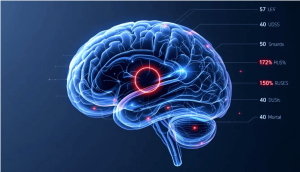
One of the most significant applications of computer vision in healthcare is the detection and segmentation of tumors. Deep learning technologies have significantly enhanced the accuracy of detecting those, allowing for earlier cancer diagnosis and treatment.
Segmentation techniques such as Mask R-CNN are used to provide accurate and detailed outlines of tumors or melanomas. This automation streamlines the detection process, making it less time-consuming and tedious, and allowing radiologists to focus on their vital tasks.
Moreover, deep learning models have achieved physician-level accuracy in cancer detection, highlighting the potential of computer vision to augment human expertise. For instance, a recent study on breast cancer reveals the successful application of AI and deep learning methods, achieving a model accuracy of 97.18%.
Another key aspect of tumor detection is characterizing tumors based on their morphologically relevant features, such as roundness and aspect ratio. These features help in analyzing the shape and structure of tumors, leading to more accurate diagnoses and personalized treatment plans.
5. Automated Health Monitoring with Computer Vision
Another example of a successful CV application is the real-time tracking of vital signs and fitness characteristics. This application can prevent acute neurological and cardiac events, such as strokes and heart attacks.
Computer vision has shown promise in remote patient monitoring, enhancing care for chronic conditions and post-surgery, particularly among elderly individuals. Additionally, by utilizing AI-driven technology, personnel can make clinical decisions more quickly for emergency care prioritization and optimal timing for surgeries.
6. Infection Prevention & Control of Pandemics
Artificial intelligence and deep learning solutions can become a valuable method for controlling and preventing pandemics.
For instance, the open-source community COVID-Net was the first to develop a convolutional neural network for detecting coronavirus cases from CXR images. It is possible to reveal the infected part of the lungs and diagnose COVID-19 with 92.4% accuracy.
The research is available to the general public to design a highly accurate and practical solution for detecting COVID-19 cases and improving treatment plans.
Thus, CV imaging data helps prevent disease spread by detecting masked faces, screening for germs, and using thermography to reveal temperature differences in a body or object.
7. Hygiene Compliance at Hospital with CV
Computer vision is a powerful tool for maintaining hospital hygiene and ensuring compliance with safety protocols. Automating the inspection of patient rooms and surfaces can detect dust, dirt, and other contaminants that pose health risks to both patients and medical staff. Utilizing artificial intelligence and deep learning, these systems assess surfaces for cleanliness, monitor disinfection activities, and pinpoint areas that require attention.
Computer vision can also track human behavior. It can detect if hospital staff forget to sanitize their hands or if visitors enter restricted areas without proper protective gear. By automating these checks, hospitals can respond quickly to hygiene lapses and enhance overall patient safety.
8. Healthcare Research & Drug Discovery
Computer vision can serve as a valuable tool for interpreting complex medical imaging and making more informed decisions.
CV algorithms can monitor patients participating in clinical trials. When integrated with electronic health records (EHRs), it enables seamless access to patient data and promotes effective collaboration across multidisciplinary healthcare teams.
This system enhances patient selection, recruitment, and retention throughout the trial process. It also helps reduce the overall cost of clinical trials and accelerates the FDA approval timeline for new drug therapies.
The technology also has its application in new medicine development. Creating a new drug is a highly time-consuming, complex, and costly process, and takes around 10-15 years. Failures are common and carry significant financial consequences. AI-driven drug discovery offers an innovative approach that may save time and financial resources in the development of new medicines.
9. Computer Vision for Enhancing Administrative Processes
Finally, by utilizing a CV in the healthcare system, numerous manual administrative processes can be easily automated. Among them are patients’ health records that should be reviewed and updated by doctors, protocol recordings, insurance documentations, and similar.
Another benefit of computer vision in healthcare is the reduction in workload. Traditional image analysis is time-consuming and labor-intensive. However, computer vision applications can optimize this process, enabling medical workers to focus on more complex cases.
Computer vision technology enhances the efficiency and accuracy of healthcare workflows, significantly reduces costs, and improves patient care and treatment outcomes.
Radiology, cardiology, dermatology, orthopedics, ophthalmology, telemedicine, and pharmaceutical research are the primary application areas. On the other hand, computer vision technology for healthcare systems may assist in multiple areas:
- Provide more accurate diagnosis and health monitoring.
- Develop personalized medicine.
- Detect illnesses and conditions that are difficult to identify.
- Create infrastructure for future research and clinical trials.
- Enhance decision-making and support the prescription of appropriate treatment.
- Optimize medical administrative tasks (generating automated protocols and reports).
CV Applications in Healthcare: Technical Challenges and Limitations
While the potential of computer vision in healthcare is immense, several technical challenges and limitations must be addressed.
CV and image processing can encounter failures when devices malfunction due to software bugs or viruses. Additionally, differences in an object’s size, angle, or distance from the camera can impact how it appears, causing distortions and inconsistent recognition.
Here we’ll outline the key challenges associated with applying computer vision in healthcare settings.
1. Data Privacy and HIPAA Compliance
Data privacy is one of the primary barriers to integrating deep learning algorithms. Healthcare datasets contain the most sensitive information, making it crucial to implement secure frameworks and infrastructure that comply with HIPAA or similar regulations.
Overcoming these obstacles and ensuring that patient data is secured and protected against unauthorized access opens up numerous possibilities for utilizing artificial intelligence.
2. The Need for Datasets to Train AI Models
A significant amount of healthcare data is necessary to train computer vision and deep learning systems. Healthcare computer vision requires datasets with accurate annotations of medical imaging, which can be challenging to obtain due to the diversity, privacy, and sensitivity of healthcare data.
Only when sufficient high-quality data is available is it possible to develop a robust AI-based system that recognizes patterns and abnormalities. Bias in training data is also a significant challenge for data scientists. Computer vision algorithms can hold existing biases if the training data is not diverse and representative of the population.
Thus, all healthcare entities should unite forces to collect, assemble, and unify anonymized datasets that contain information on health conditions and various demographics, thereby improving model accuracy.
3. Integration with Legacy Medical Systems
Integration with legacy systems presents another barrier to the broader adoption of healthcare computer vision. Many healthcare organizations rely on established systems that may not be compatible with new AI-driven solutions.
Overcoming these integration challenges often requires a step-by-step approach tailored to cover the needs of existing systems within a healthcare setting. Additionally, it is essential to offer post-launch employee training programs to optimize the benefits of artificial intelligence utilization.
To conclude, another significant obstacle to CV and digital health is the lack of AI and ML professionals with the necessary practical experience and knowledge to ensure the systems function properly and fully utilize computer vision systems.
Future Scope of Computer Vision in Healthcare
The primary goal of computer vision in healthcare is to develop systems that can understand, interpret data, and act in a manner similar to humans in the medical domain.
CV technology can help doctors analyze health vitals and fitness measures for more informed, precise, and quicker diagnosis. For instance, AI-powered software can convert images into interactive 3D models to aid in evaluating health conditions and diagnoses.
These are a few aspects that define the evolution of CV technology in healthcare:
- The manufacturing of more powerful graphics processors and video adapters continues to increase processing power, enabling real-time image classification and recognition to occur significantly faster.
- A growing number and quality of health databases, combined with the advancement of deep learning algorithms, will further facilitate the development of CV-enabled applications with higher accuracy and a greater level of detail.
- More CV-enabled apps will move to the edge, meaning that the solution will operate locally, on terminal devices. This way, apps can deliver instant replies to medical image analysis, eliminating the need to wait for cloud data processing.
- Convolutional neural networks and machine learning algorithms provide automated, accurate medical image analysis and reporting. This results in considerable time savings, output maximization, and the removal of human mistakes.
Also, regulatory acceptance of AI/ML technologies is growing. The FDA has approved numerous AI/ML-enabled medical devices, indicating a wider adoption of computer vision technologies in the healthcare domain.
To conclude, the future of computer vision in healthcare appears promising and is poised to play a significant role in transforming the industry. Artificial intelligence, machine learning, and computer vision are advancing patient care, diagnostics, and treatment.
Concluding Thoughts on Computer Vision Technology in Healthcare
The journey towards a more advanced and efficient healthcare system is just beginning, and computer vision is at the forefront of this exciting transformation.
The availability of large digital data volumes plays a crucial role in leveraging CV-based software in healthcare. This factor ensures high-quality medical services and an optimized administration system.
Computer vision in healthcare is revolutionizing by enhancing diagnostics, patient monitoring, surgical assistance, and pathology analysis. The technology improves patient care and treatment, laying the foundation for a more efficient and accurate healthcare system.
To summarize, the computer vision for healthcare systems may assist in:
- Providing more accurate diagnoses and health monitoring.
- Developing personalized treatments and medicine.
- Detecting diseases and health conditions that may be difficult to find in early stages.
- Creating infrastructure for future research and clinical trials.
- Enhancing decision-making and facilitating the prescription of appropriate treatment.
- Optimizing medical administrative tasks.
At It-Jim, we invite you to explore how computer vision can enhance your healthcare practice. We can help with a custom CV and AI solution development, meeting your requirements. By embracing these technologies, you can achieve better care quality, enhance patient safety, and deliver improved patient outcomes.
Let’s build the project together and explore opportunities to integrate the latest technologies.
